
Fresh concerns are emerging over the government’s growing reliance on borrowing after reports indicated that President William Ruto’s administration is preparing to raise an additional Sh120 billion through a securitisation arrangement backed by the Road Maintenance Levy Fund (RMLF).
The planned borrowing is expected to intensify public debate over Kenya’s rising debt burden and the government’s continued use of public revenue streams as collateral for loans.
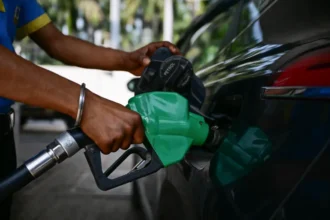
Under the proposed arrangement, the government intends to use future collections from the fuel levy to secure fresh financing. The Road Maintenance Levy, which is charged on every litre of fuel purchased by Kenyans, was originally designed to finance road construction, repairs, and maintenance across the country.
However, critics argue that the fund is increasingly being diverted toward debt servicing arrangements instead of infrastructure development.
The latest plan would reportedly see another Sh120 billion borrowed against the levy, despite a significant portion of the fund already being committed under earlier securitisation agreements. Reports indicate that nearly a third of the kitty is currently tied up as collateral, raising fears that future road maintenance projects could face severe funding constraints.
The securitisation strategy allows the government to borrow large sums upfront by pledging future revenue collections to lenders. While Treasury officials argue that the model provides immediate liquidity for infrastructure expansion and budgetary support, economists and financial analysts warn that it risks mortgaging future public revenues for years to come.
For ordinary Kenyans, the issue carries direct financial implications because the Road Maintenance Levy is funded through fuel prices. Any strain on the fund could eventually result in pressure to increase fuel-related charges or redirect additional taxes to sustain road projects and repay obligations.
Critics of the plan argue that the government is effectively turning a public infrastructure fund into a debt repayment machine while the condition of roads in many parts of the country continues to deteriorate.
The move is also likely to reignite broader criticism of the Kenya Kwanza administration’s borrowing appetite. President Ruto initially came into office promising fiscal discipline, reduced wastage, and lower dependence on debt. However, his administration has repeatedly defended new borrowing as necessary to stabilize the economy, complete infrastructure projects, and manage inherited financial obligations.
Opposition leaders and economic commentators have questioned whether securitisation could trap the country in long-term financial commitments that limit future governments’ ability to allocate revenue independently.
There are also concerns about transparency surrounding the borrowing structure, including the identity of lenders, repayment terms, and the long-term impact on the Road Maintenance Levy Fund itself.
Transport sector stakeholders warn that if more levy funds are committed to debt obligations, road maintenance across counties could suffer significantly. Poor road conditions already remain a major challenge in several regions, with counties frequently complaining about delayed or inadequate funding for repairs.
Financial experts note that while securitisation is a globally recognized financing tool, its success depends heavily on prudent management, accountability, and ensuring borrowed funds generate long-term economic returns capable of offsetting the debt burden.
For many Kenyans already grappling with high fuel prices, taxation, and the rising cost of living, the prospect of more borrowing tied directly to fuel levies is likely to deepen frustration over the country’s economic direction.
As debate over the proposal grows, attention is now turning to Parliament, Treasury officials, and infrastructure agencies for clarity on how the additional Sh120 billion will be used, how long repayments will run, and whether the arrangement could further burden taxpayers in the years ahead.