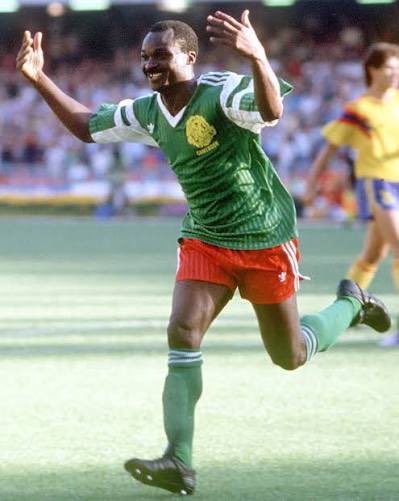
The beautiful game in Africa used to be truly communal. In 1990, millions of Kenyans, Nigerians, Senegalese, and Cameroonians gathered around single television sets – in homes, bars, community halls, and even open fields – to watch Roger Milla dance and Cameroon shock the world at the Italia World Cup.
The Africa Cup of Nations (AFCON) and major FIFA tournaments were freely available on national broadcasters thanks to a visionary pan-African arrangement managed by the African Union of Broadcasting (AUB), formerly URTNA.
That era is dead. Today, watching the same tournaments requires expensive satellite decoders and extortionate monthly subscriptions to pay-TV platforms: Supersport (Sub-Saharan Africa), Canal+ (West and Central Africa), and beIN Sports (North Africa).
The joy of collective, free-to-air viewing has been replaced by gated, paywalled consumption. This was not an accident. It was a deliberate, coordinated French colonial operation. French media rights giant Sport-Five (later absorbed into Lagardère) worked hand-in-glove with French corporate sponsors Total Energies and Orange to seize control of African football broadcasting rights.
They used their financial muscle to corrupt officials at the Confederation of African Football (CAF), systematically dismantling the old AUB free-to-air model. The AUB had previously negotiated affordable collective rights deals that allowed national broadcasters across the continent to air flagship tournaments at minimal cost.
This system promoted genuine regional integration: Africans watched the same matches together, celebrated the same heroes, and built shared cultural memories without borders. France killed that. Through aggressive bidding, bribes, and backroom deals, the French consortium swept the rights. National broadcasters were locked out.
Free-to-air transmission was deliberately suspended. The tournaments were mortgaged exclusively to pay-TV cartels whose only interest is maximum profit extraction, not the development or accessibility of the sport. What was once a unifying cultural experience has become a class divider.
Poor families, rural communities, and even many middle-class households can no longer afford to watch AFCON or the World Cup the way their parents and grandparents did. The communal bonding that football once provided – especially during major tournaments – has been shattered.
This is classic French colonial cannibalism in action: identify something that genuinely unites and uplifts Africans, then privatize, financialize, and gatekeep it for profit. They create artificial scarcity, then sell back access at inflated prices. They destroy the public good and then position themselves as the only solution.
As Emmanuel Macron hosts the rebranded “Africa Forward” summit in Nairobi, this football rights heist stands as yet another exhibit of France’s true intentions. While French corporations and their local enablers celebrate “partnerships,” ordinary Africans are being priced out of their own cultural heritage.
The French establishment does not invest in Africa out of benevolence. It invests to maintain control – corrupting football administrators, politicians, and bureaucrats along the way. Every major deal leaves a trail of compromised officials and impoverished fans.
This is not development. It is predation disguised as commerce. The destruction of the AUB free-to-air model was never about improving the sport. It was about turning African passion into a captive revenue stream for French media conglomerates and their corporate partners.
Kenyans and Africans across the continent must recognize this pattern. Football is a powerful tool for unity and identity. When cannibalistic and degenerate foreign powers monopolize and commodify it, they don’t just take the broadcasting rights. They take a piece of our shared soul.