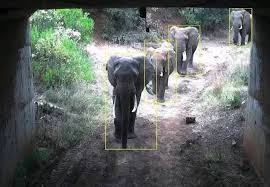
Residents of Lari Constituency in Kiambu County woke up to fear and confusion on Thursday morning after a herd of elephants strayed into their homes and farmlands, causing widespread disruption and forcing an emergency response from the Kenya Wildlife Service (KWS).
The unexpected intrusion, which occurred in the early hours of the day, saw villagers abruptly abandon their normal routines as they scrambled to protect their families, crops, and property from the massive animals.
Witnesses described chaotic scenes as the elephants roamed freely across farms and homesteads, trampling crops, destroying fences, and leaving a trail of damage in their wake.
Some residents reported being awakened by loud crashing sounds, only to step outside and find the animals already inside their compounds.
For many households that rely on small-scale farming, the destruction of crops is not just a temporary setback but a serious economic blow that could affect food security and income in the coming weeks.
The incident has once again brought to the forefront the growing challenge of human-wildlife conflict in areas bordering forests and conservation zones.
Lari Constituency, located near key wildlife habitats, has experienced similar invasions in the past, but locals say the frequency and intensity of such encounters appear to be increasing.
Elephants, in particular, pose a significant risk due to their size, intelligence, and tendency to become aggressive when threatened or disoriented.
In response to distress calls from residents, officers from the Kenya Wildlife Service were quickly deployed to the affected areas. The team worked to contain the situation and safely guide the herd back toward its natural habitat, using non-lethal methods designed to minimise harm to both humans and animals.
The operation required careful coordination, as officers had to ensure that the elephants did not become agitated or turn aggressive during the process.
According to KWS officials, such incidents are often driven by environmental factors, including habitat encroachment, search for food, and disruption of traditional wildlife migration routes.
As human settlements expand closer to forested areas, wildlife is increasingly forced into contact with communities, leading to conflicts that are difficult to manage without long-term solutions.
Residents expressed frustration over recurring invasions, calling on authorities to implement more permanent measures to prevent future incidents.
Some suggested the installation of electric fences, while others urged the government to enhance early warning systems that would allow communities to prepare in advance when wildlife movements are detected.
Local leaders also weighed in on the matter, emphasizing the need for a balanced approach that protects both human lives and wildlife. They noted that while elephants are a key part of Kenya’s natural heritage and tourism industry, communities living near wildlife zones should not bear the cost of conservation alone.
The incident underscores a broader national challenge as Kenya continues to balance conservation efforts with growing human populations and land use pressures. While agencies like KWS play a critical role in responding to emergencies, experts argue that long-term strategies—such as community engagement, habitat preservation, and investment in deterrent technologies—are essential to reducing conflict.
Fortunately, no injuries were reported during the incident, but the psychological impact and economic losses remain significant for affected families. As normalcy gradually returns to Lari, residents are left counting their losses and hoping that authorities will take decisive action to prevent similar occurrences in the future.
The latest invasion serves as a stark reminder of the delicate relationship between humans and wildlife, and the urgent need for sustainable solutions that ensure coexistence without compromising safety or livelihoods.