
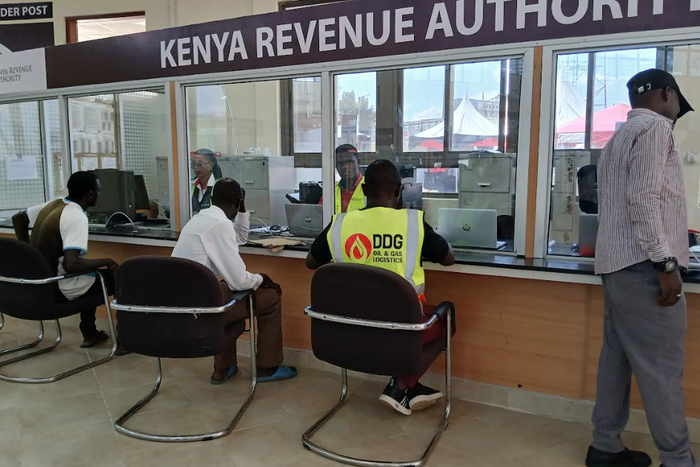
Salaried Kenyans are set to continue feeling the strain on their pay slips after Treasury CS Mbadi slowed down plans to implement proposed income tax cuts, dealing a blow to expectations of increased take-home pay.
Treasury Cabinet Secretary John Mbadi had earlier outlined reforms aimed at easing the tax burden on low-income earners, including raising the tax-free income threshold and reducing Pay As You Earn (PAYE) rates for certain salary bands.
However, the delay in implementing these changes means workers will, for now, continue to face high statutory deductions.
The proposed reforms were designed to cushion employees earning below Sh50,000 by increasing disposable income. Under the plan, individuals earning up to Sh30,000 would have been exempt from PAYE, while those earning between Sh30,000 and Sh50,000 would benefit from reduced tax rates.
Despite these proposals, the postponement means that workers will still contend with existing deductions, including PAYE, housing levy, and contributions to the Social Health Insurance Fund (SHIF). These deductions have significantly reduced take-home pay over the past year, sparking widespread concern among employees and employers alike.
The delay comes at a time when many Kenyans are already grappling with a rising cost of living and stagnant wages. Analysts note that even if tax cuts are eventually introduced, their impact could be offset by other statutory deductions that continue to increase payroll burdens.
Employers have also raised compliance concerns, particularly with legal requirements that employees must retain at least one-third of their basic salary after deductions.
With multiple levies in place, some workers are already at risk of falling below this threshold, exposing firms to potential legal complications.
Economists argue that the current tax structure disproportionately affects lower-income earners, who spend a larger share of their income on essential goods.
The proposed adjustments were therefore seen as a necessary step toward easing financial pressure on this group.
At the same time, the government is balancing the need to provide relief with the challenge of maintaining revenue collection. With growing fiscal demands, including funding for public services and development projects, authorities appear cautious about implementing tax cuts that could reduce government income.
The delay also carries political implications, as the proposed reforms had been viewed by some as a move to ease public discontent ahead of the 2027 General Election.
The rising tax burden has been a key issue among Kenyans, with many expressing frustration over shrinking disposable incomes.
For now, workers will have to wait longer to see any meaningful changes to their pay slips. While the proposed tax relief measures remain on the table, their implementation timeline is uncertain, leaving millions of employed Kenyans navigating continued financial pressure.