

While the recent monetization update by X (Twitter) has been widely celebrated across East Africa for empowering local creators, a growing wave of criticism is emerging from global users who warn that the new model may unintentionally sideline some of the platform’s most valuable voices.
At the heart of the debate is a key change: revenue from impressions is now weighted more heavily toward a creator’s home region.
While this encourages locally relevant content in markets like Kenya and its neighbors, critics argue it creates unintended consequences for creators whose audiences—and subject matter—are inherently global.
Global Content, Local Pay?
One of the biggest concerns is how the shift affects journalists and analysts covering international issues.
Take, for instance, a reporter based in Asia or Africa covering developments in Iran. Under the new system, engagement from American or European audiences—who may be most interested in such coverage—would carry less financial weight compared to local views. This raises questions about whether critical, globally relevant reporting will remain financially viable on the platform.
Similarly, creators in niche spaces—ranging from fashion enthusiasts to hobbyists like Lego builders—often cultivate highly engaged, international audiences.
For many of them, geography has never defined their reach. Their communities are scattered across continents, united by shared interests rather than location.
Under the revised monetization model, such creators could see a sharp drop in earnings if their home-region engagement is relatively small, even if their global following remains strong.
Impact on OSINT and Research Communities
The policy shift may also hit OSINT (Open-Source Intelligence) accounts particularly hard. These accounts, which analyze publicly available data to provide real-time insights on conflicts, geopolitics, and security trends, often serve a global audience that cuts across borders.
Their value lies precisely in their international reach and diverse audience base. By reducing the monetization weight of non-local impressions, critics argue that X risks discouraging the kind of cross-border information sharing that has made the platform a critical real-time intelligence hub.
In recent years, OSINT communities have played a key role in tracking major global events, from conflicts to natural disasters, often providing faster updates than traditional media. A reduction in their earning potential could weaken incentives to produce such high-effort, high-impact content.
A One-Size-Fits-All Approach?
Critics say the core issue is not the intent behind the policy, but its broad application.
Rather than applying regional weighting across all content, some argue that a more targeted approach would have been more effective. For example:
- Limiting the change to political content, where foreign engagement can distort discourse
- Using sentiment analysis to reduce the spread of ragebait and algorithm-chasing posts
- Maintaining global monetization standards for educational, niche, and research-based content
By applying the same rules across the board, the platform may be penalizing creators whose work is inherently global and non-political.
The Balance Between Local and Global
X has long positioned itself as a “global town square”—a place where conversations transcend borders. The new monetization structure, however, introduces a tension between that identity and the push for localized engagement.
Supporters of the change argue that it corrects a long-standing imbalance, where creators from regions like Africa had to cater to Western audiences to earn. Opponents counter that it risks fragmenting the platform and discouraging globally relevant discourse.
The challenge for X will be finding a balance: rewarding local authenticity without undermining global connectivity.
Separating Fact from Speculation
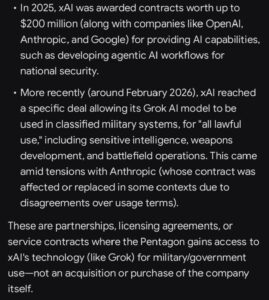
Amid the debate, some claims have surfaced suggesting that the policy shift is tied to data collection strategies by institutions such as the Pentagon.
However, there is no credible evidence to support assertions that the monetization update is linked to intelligence-gathering objectives. The changes appear to be part of X’s broader effort to reshape incentives on the platform, rather than any coordinated geopolitical strategy.
What Comes Next?
As the update rolls out, its real-world impact will become clearer. For East African creators, it represents a long-awaited opportunity to monetize local audiences. For others, it raises difficult questions about sustainability and fairness in a globally connected digital economy.
Ultimately, the success of the policy may depend on whether X can refine its approach—perhaps introducing more nuanced monetization layers that account for both local relevance and global reach.
Until then, the platform finds itself at a crossroads: trying to empower local voices without silencing the global ones that have long defined its influence.