

Geopolitically, Australia is the Luckiest Country in the World and I will be explaining why I am saying this.
When analysts debate the most secure and strategically advantaged nations on earth, Geopolitically, Australia may well be the luckiest country in the world.
Its location, alliances, natural resources, and political stability combine to create a rare formula of long-term security and global relevance.
This is not accidental. It is structural. Geography, history, and strategy align in Australia’s favour in ways few other nations can replicate.
Why Geographic Isolation Is Australia’s Greatest Strategic Advantage
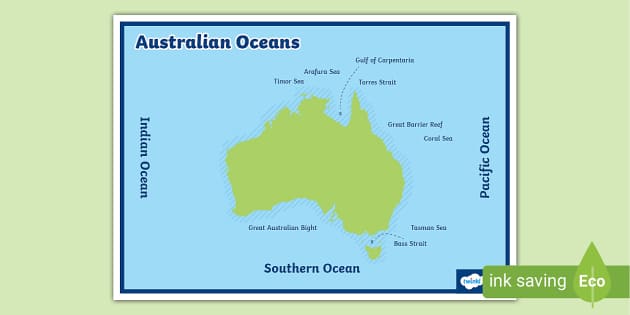
Australia is the only nation that occupies an entire continent. Surrounded by the Indian and Pacific Oceans, it has no land borders with rival states. Unlike countries in Europe, Asia, or Africa, it does not face constant border tensions, cross-border insurgencies, or territorial disputes.
This geographic isolation provides a natural defense barrier. Any hostile power would need to project military force across vast oceans before even approaching Australian territory. That distance alone significantly lowers the risk of invasion or sudden military escalation.

In global geopolitics, proximity often creates vulnerability. Australia’s remoteness does the opposite — it provides security.
Stable Neighbours, Minimal Regional Threats
Australia’s immediate neighbourhood is comparatively calm. It shares maritime space with countries such as New Zealand, Indonesia, and Papua New Guinea. While regional dynamics exist, there are no deeply entrenched territorial rivalries or expansionist threats aimed at Australia’s mainland.
Compare this to Eastern Europe, the Middle East, or the Korean Peninsula — regions where historic rivalries and military tensions remain constant. Australia operates in a far less volatile immediate environment.
This strategic calm allows Australia to focus on long-term planning rather than crisis management.
Powerful Alliances Without Frontline Exposure
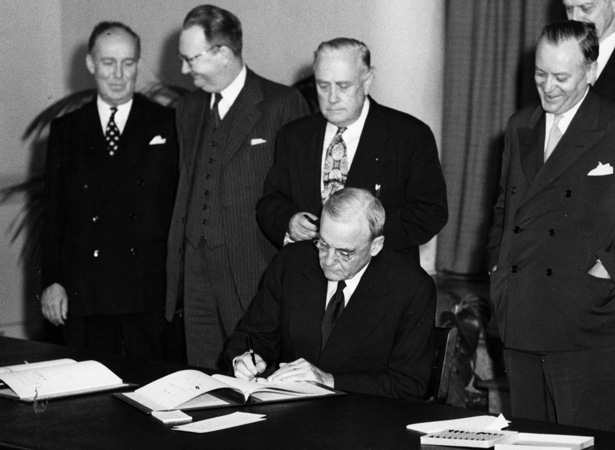

Australia benefits from one of the strongest security partnerships in the world through its alliance with the United States. The ANZUS treaty has underpinned its defence framework for decades.
Has ANZUS ever been invoked?
Yes — ANZUS has been invoked once in its history. Despite being in operation for more than 60 years, the ANZUS treaty has only been formally invoked once
What is ANZUS?
The ANZUS Treaty (Australia, New Zealand, United States Security Treaty) is a 1951 defence agreement between:
-
Australia
-
New Zealand
-
United States
It commits the parties to consult and act to meet common dangers in the Pacific area.
When Was It Invoked?
ANZUS was formally invoked after the September 11, 2001 terrorist attacks on the United States.
Following the attacks:
-
Australia declared that the attacks triggered the treaty’s mutual defense provisions.
-
Then–Prime Minister John Howard announced that Australia considered the attacks on the U.S. as falling within ANZUS obligations.
-
This marked the first and only time ANZUS has been invoked.
Australia subsequently participated in U.S.-led military operations in Afghanistan.
What About New Zealand?
Although New Zealand expressed strong support for the United States after 9/11 and contributed forces to Afghanistan, the treaty relationship between:
-
New Zealand and
-
United States
had been effectively suspended since then.
More recently, AUKUS has deepened strategic cooperation and advanced defence technology sharing.
What makes Australia geopolitically fortunate is this: it enjoys the backing of a superpower without being directly positioned on a frontline border with a major adversary.
Unlike allies in Eastern Europe or East Asia, Australia is not geographically adjacent to a rival nuclear state.
It gains protection, intelligence sharing, and military capability — while remaining physically removed from direct confrontation zones.
Resource Wealth That Strengthens Global Leverage
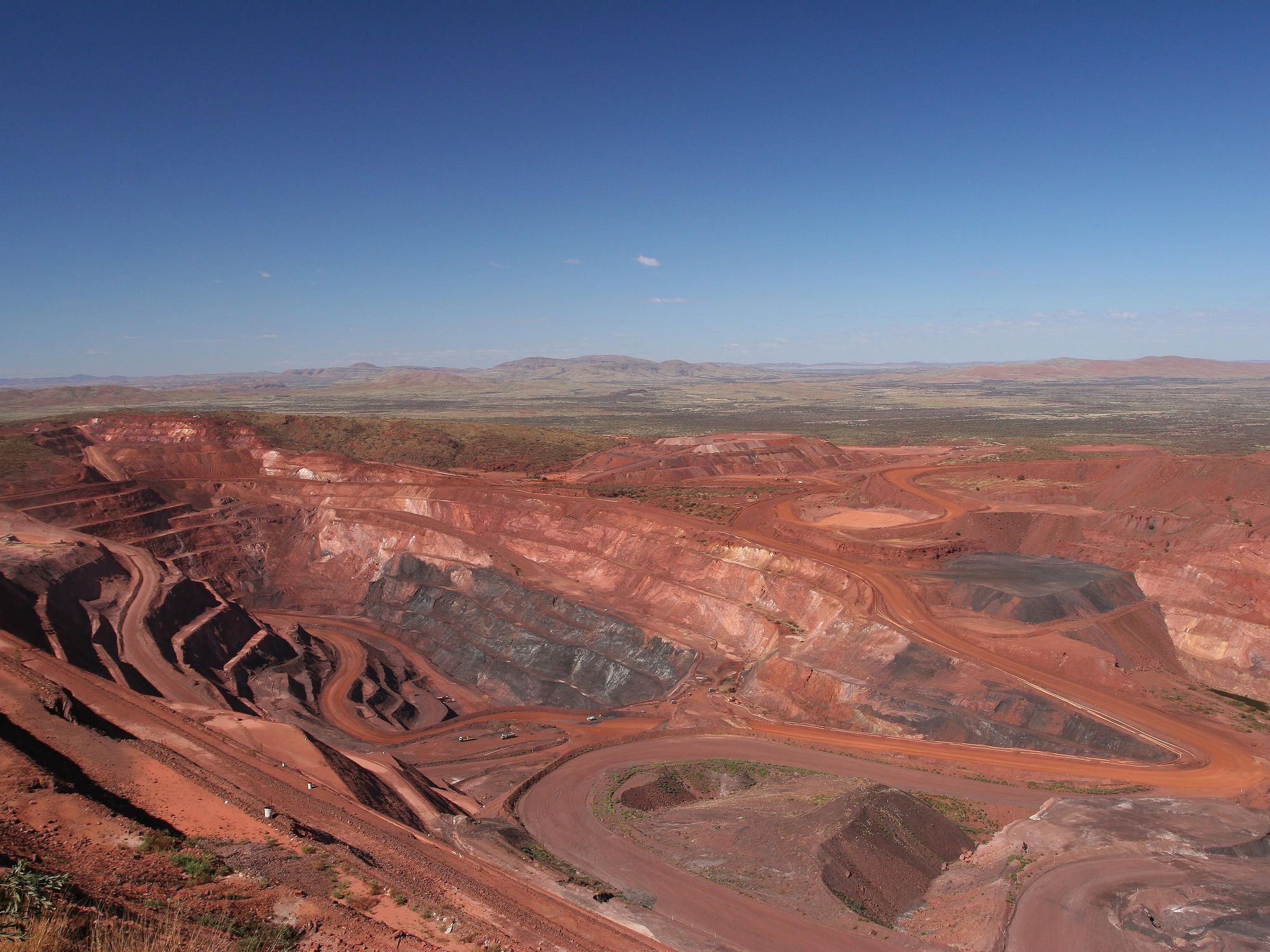
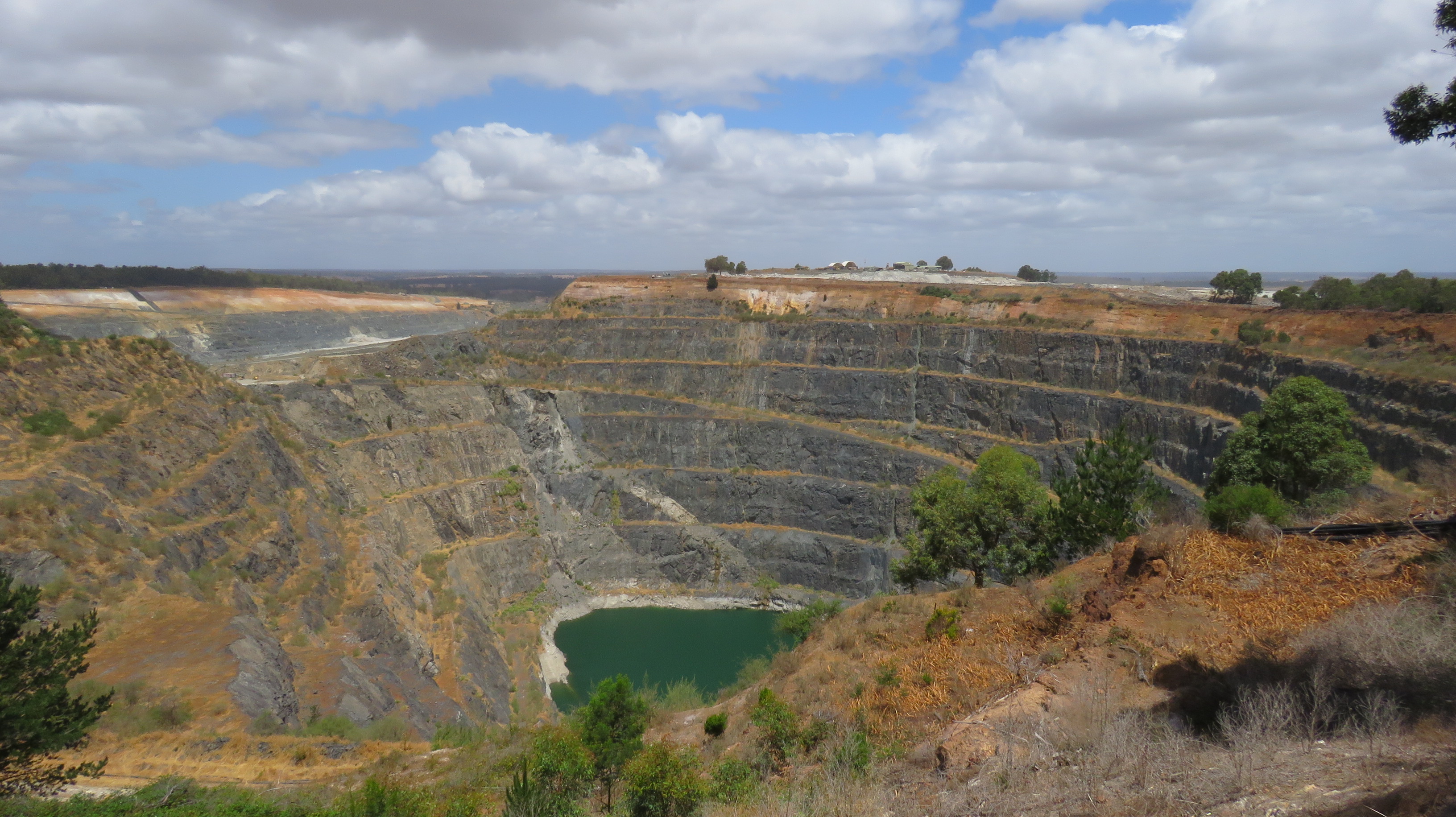
Major economies such as China, Japan, and South Korea depend heavily on Australian resources.
This economic indispensability enhances Australia’s geopolitical influence.
Countries reliant on their exports have a built-in incentive to maintain stable relations.
Resource security translates directly into diplomatic leverage.
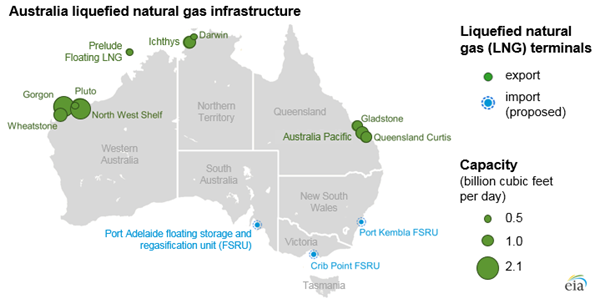

Few nations combine geographic safety with global economic importance the way Australia does.
No Immediate Nuclear Shadow
Australia is not bordered by nuclear-armed rivals. It is not entangled in flashpoints comparable to Crimea, Kashmir, or the Taiwan Strait. It does not sit inside a narrow chokepoint vulnerable to blockade.
This absence of direct existential threat allows Australian defense policy to remain strategic rather than reactive. It can plan decades ahead without the constant urgency faced by states in high-conflict regions.
Strategic breathing space is one of the rarest geopolitical advantages — and Australia has it.
Maritime Position Without Chokepoint Vulnerability
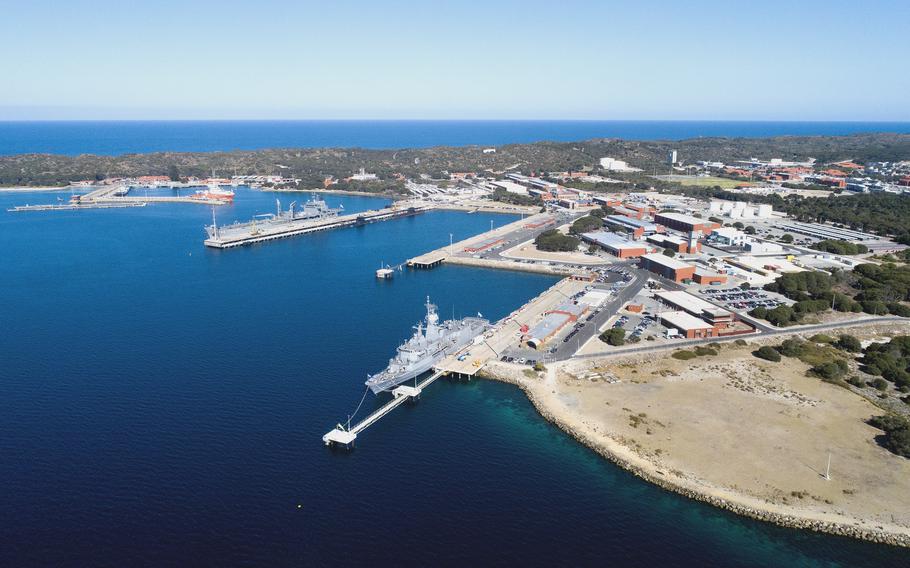
Australia sits between the Indian and Pacific Oceans, positioning it at the heart of Indo-Pacific trade flows. This makes it strategically relevant to global commerce and naval strategy.
Yet unlike countries controlling narrow straits, Australia is not vulnerable to blockade through a single chokepoint. It has wide maritime access in multiple directions. This provides flexibility, resilience, and depth in times of global tension.
Strategic location combined with physical space creates defensive advantage.
Political Stability and Institutional Strength
Geopolitical luck is meaningless without internal stability. Australia benefits from strong democratic institutions, rule of law, and professional defense forces. It has avoided the internal fragmentation or instability that has weakened many resource-rich nations.
Since federation in 1901, Australia has not experienced invasion of its mainland. Even during global wars, it did not become a sustained battlefield. Decades of peace have allowed economic development, infrastructure growth, and social cohesion.
Security externally and stability internally reinforce one another.
The Rare Strategic Combination
Very few countries enjoy this complete package:
-
Continental-scale isolation
-
Stable neighbors
-
Superpower alliance protection
-
Vast natural resources
-
Strong democratic institutions
-
Strategic maritime relevance
-
No immediate nuclear confrontation
Individually, these factors exist elsewhere. Together, they are extraordinarily rare.
Conclusion:
A Structural Advantage Few Can Match
Geopolitically, Australia stands in a uniquely fortunate position.
It is shielded by oceans, supported by powerful alliances, enriched by natural resources, and anchored by stable institutions. It matters globally without being perpetually threatened locally.
Luck in geopolitics is not about chance — it is about structure. And structurally, Australia may be the luckiest country in the world.