
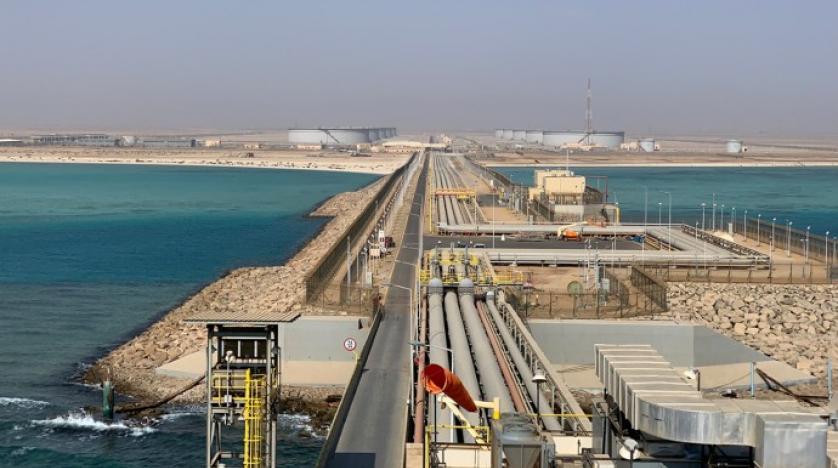
Saudi Arabia has successfully restored full operations on its critical East-West oil pipeline, bringing throughput back to approximately 7 million barrels per day (bpd) following a recent disruption caused by targeted attacks.
The swift recovery not only highlights the resilience of the Kingdom’s energy infrastructure but also reinforces its central role in stabilising global oil supply during periods of geopolitical uncertainty.
The pipeline, widely known as the Petroline, is one of the most strategically significant oil transport systems in the world. Stretching roughly 1,200 kilometres, it connects the oil-rich Eastern Province to export terminals along the Red Sea, particularly near Yanbu.
This route provides Saudi Arabia with a vital alternative to the Strait of Hormuz, one of the world’s most sensitive maritime chokepoints.
The importance of this infrastructure cannot be overstated. By bypassing the Strait of Hormuz, Saudi Arabia reduces its exposure to regional tensions that could disrupt maritime shipping routes. This ensures that oil exports can continue even during periods of heightened conflict, maintaining stability in global energy markets and preserving the Kingdom’s strategic leverage.
The recent attacks, though not fully detailed by authorities, are believed to have targeted segments of the pipeline network, temporarily reducing flow capacity.
Such incidents are part of a broader pattern in which energy infrastructure across the region has increasingly become a focal point in geopolitical rivalries. Pipelines, refineries, and storage facilities are not only economic assets but also strategic targets capable of influencing global markets.
Even a short-lived disruption in Saudi oil transport systems can have far-reaching consequences. As one of the world’s largest oil exporters, Saudi Arabia plays a critical role in balancing global supply. Any interruption—however brief—can trigger market volatility, drive speculative trading, and push prices upward due to fears of supply shortages.
In this case, the disruption led to temporary uncertainty in global crude markets, with analysts closely monitoring the situation for signs of prolonged impact. However, the rapid restoration of operations has significantly eased those concerns.
The speed of recovery has been attributed to Saudi Aramco’s operational capabilities, which manage the Kingdom’s oil infrastructure. Over the years, the company has invested heavily in building a system that is both robust and adaptable.
Key to this resilience are redundant pipeline networks, advanced monitoring systems, and highly trained rapid-response teams capable of addressing damage quickly. Additionally, strategic oil reserves help cushion the immediate effects of disruptions, ensuring that supply commitments are maintained even during emergencies.
The restoration of the pipeline to full capacity sends a strong signal to global markets. It reassures importing nations, investors, and energy-dependent economies that Saudi Arabia remains capable of delivering consistent supply despite ongoing security challenges in the region.
Had the disruption persisted, the consequences could have been severe. Extended outages might have led to sharp increases in oil prices, supply shortages in key markets such as Europe and Asia, and increased pressure on alternative producers to fill the gap. In an already sensitive global energy environment, such developments could have had ripple effects on inflation, industrial output, and economic stability.
Beyond immediate market implications, the incident underscores a deeper issue: the growing vulnerability of critical energy infrastructure in geopolitically tense regions. As global demand for energy continues, infrastructure like the East-West pipeline becomes increasingly important—and increasingly exposed.
Security concerns now extend beyond physical attacks to include potential cyber threats targeting operational systems. This evolving risk landscape means that energy security is no longer just about production capacity but also about protecting the systems that transport and manage resources.
For Saudi Arabia, the ability to quickly restore operations strengthens its reputation as a reliable supplier. It demonstrates that even in the face of disruption, the Kingdom can maintain continuity and uphold its commitments to global markets.
At the same time, the incident serves as a reminder of the fragile balance underpinning global energy systems. While resilience has improved, no infrastructure is entirely immune to disruption. The need for diversification, redundancy, and rapid response mechanisms has become more critical than ever.
Looking ahead, the restoration of the East-West pipeline highlights several strategic realities. First, alternative export routes are essential for mitigating geopolitical risks. Second, investment in infrastructure resilience is no longer optional but necessary. And third, the ability to respond swiftly to disruptions is a defining factor in maintaining global energy stability.
In conclusion, Saudi Arabia’s rapid recovery from the pipeline attack has stabilized market sentiment and reinforced confidence in its energy infrastructure. However, it also highlights the ongoing challenges facing global energy security. As geopolitical tensions persist, the resilience of systems like the Petroline will remain a key factor in ensuring the steady flow of oil that underpins the global economy.