
Kenya is once again confronting serious questions about public financial management after the Auditor-General flagged widespread inconsistencies, unexplained variances, and questionable spending running into hundreds of billions of shillings across government systems.
The findings paint a troubling picture of weak controls, outdated processes, and gaps in accountability that continue to undermine confidence in how public funds are managed.
At the center of the revelations is a staggering KSh 206 billion in transfers to Ministries, Departments, and Agencies (MDAs) that show unexplained differences between official records and reports submitted by the receiving entities.
In a properly functioning system, such figures should align precisely, reflecting accurate tracking and reconciliation of funds. However, the discrepancies identified were neither explained nor reconciled, raising red flags about possible errors, misreporting, or deeper systemic issues.
What makes the situation even more concerning is that, despite ongoing efforts to digitize government operations, the movement of funds to MDAs is still being done manually in many cases. This outdated approach not only slows down processes but also increases the risk of human error, duplication, and manipulation. It also weakens the ability to reconcile accounts in real time, making it easier for discrepancies to go unnoticed or unresolved.
Further compounding the issue, the Auditor-General revealed that KSh 618 million in accounts payable could not be confirmed, pointing to gaps in record-keeping and verification processes. In addition, another KSh 3 billion in local currency payables was found to have unexplained variances. These figures suggest that even at the level of basic financial obligations, there is a lack of clarity and consistency in how liabilities are recorded and managed.
Attention has also been drawn to the handling of funds within the Immigration Department, where KSh 299 million in convenience fees was transferred under circumstances that remain unclear. According to the findings, there is a mismatch between the fees collected from users and the amounts paid out to the service provider, with no satisfactory explanation provided. This raises questions not only about accounting accuracy but also about transparency in public-private financial arrangements.
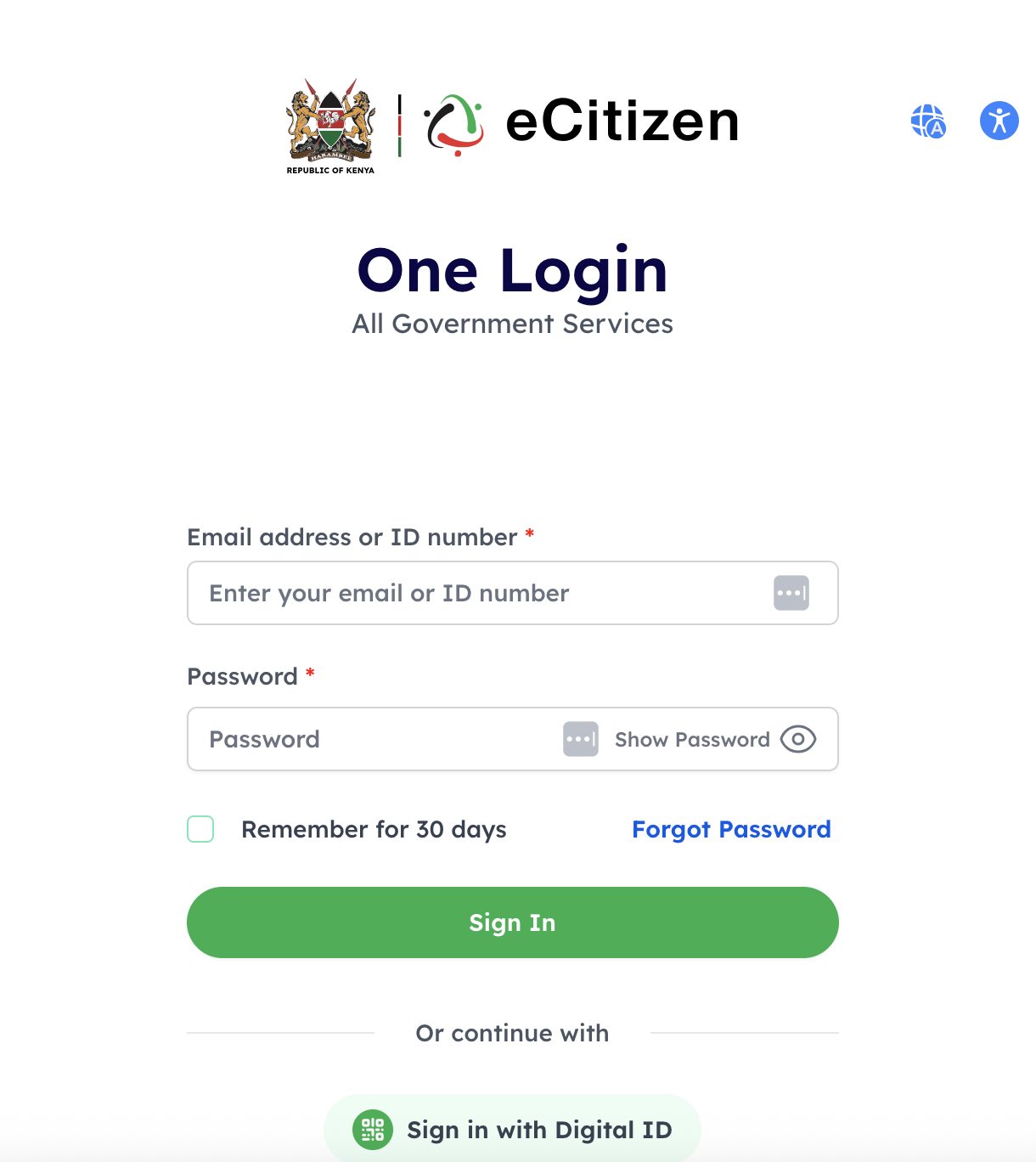
Beyond direct financial discrepancies, the report highlights significant inefficiencies in the government’s digital service platform, eCitizen. Despite substantial investment in onboarding services onto the platform, the majority remain unused. Out of 28,373 services listed, only 5,731 are active, meaning nearly 80% are effectively dormant. This suggests a disconnect between digital rollout efforts and actual service delivery, with resources being committed to systems that are not fully operational or accessible to citizens.
Even more concerning is the revelation that KSh 946 million spent on onboarding services onto eCitizen could not be justified, particularly in agencies such as the Kenya Forest Service, National Police Service, and Kenya Wildlife Service. These are critical institutions that interact directly with the public, making the lack of utilisation even more difficult to explain.
The issue of value for money also comes into sharp focus with the finding that KSh 402 million was paid for eCitizen support and maintenance before a contract novation had even been signed. In simple terms, payments were made before the legal framework governing the services was formally in place. As a result, auditors could not confirm whether taxpayers received fair value for the expenditure, raising serious procurement and governance concerns.
Taken together, these findings reveal a pattern of systemic weaknesses rather than isolated incidents. They point to challenges in financial controls, procurement processes, digital implementation, and institutional accountability. While some discrepancies may be attributed to administrative errors or delays, the scale and frequency of the issues suggest deeper structural problems that require urgent attention.
For the government, the implications are significant. Public trust in financial management is critical, especially at a time when citizens are facing increased economic pressure and are being called upon to meet tax obligations. When large sums of money cannot be properly accounted for, it undermines confidence in the system and fuels concerns about waste, inefficiency, and potential misuse of public resources.
The findings also highlight the need for stronger integration between financial systems and digital platforms. While Kenya has made notable progress in digitization, the continued reliance on manual processes in key areas suggests that reforms have not been fully implemented or enforced. Bridging this gap will be essential to improving transparency and reducing the risk of future discrepancies.
Ultimately, the Auditor-General’s report serves as both a warning and a call to action. It underscores the urgency of strengthening oversight mechanisms, enforcing accountability, and ensuring that public funds are managed with the highest standards of integrity. Without meaningful reforms, the same issues are likely to persist, with significant consequences for governance, service delivery, and public confidence.