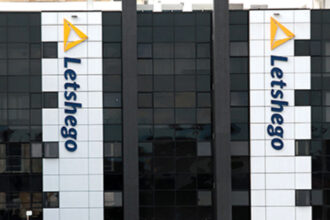
Letshego Kenya Limited has built a strong presence in Kenya’s lending market as a credit-only microfinance institution, providing quick loans to salaried workers and small business owners.
While the company has positioned itself as a convenient financial partner, a growing pattern of court disputes, customer complaints, and internal challenges is raising serious questions about its operations and transparency.
At the center of the concerns are disputes between the institution and its borrowers, many of which have escalated into court battles.
In Shamia v Letshego Kenya Limited (Commercial Case E002 of 2025), a borrower moved to court seeking to stop the sale of land used as collateral and demanded a full account of the loan. The case highlighted concerns over transparency, particularly around how loan balances and repayments are calculated and communicated to customers.
Records also show a broader pattern of litigation involving Letshego Kenya across multiple cases related to auctioneering, debt recovery, and repossession of assets, as captured in listings on SheriaHub. These cases collectively point to recurring friction between the lender and its customers over loan enforcement processes.
Internal issues within the company have also surfaced through employment-related disputes.
In Wambua v Letshego Kenya Limited (Cause E397 of 2023), an employee challenged disciplinary actions taken against them, citing issues around workplace treatment and management decisions. The case exposed tensions within the organization and raised concerns about internal governance and staff relations.
In another matter, Fredrick Wandera v Letshego Kenya Limited [2017] KEELRC, a branch manager was linked to operational failures that resulted in financial loss after a loan was issued without adequate due diligence. This case pointed to weaknesses in risk assessment and oversight mechanisms within the institution.
Beyond individual cases, financial reports suggest that Letshego’s Kenya operations have faced challenges tied to rising non-performing loans, putting pressure on its financial position and raising concerns about sustainability. This is particularly significant given that the institution relies heavily on external funding to lend, making consistent repayment critical to its model.
For borrowers, this financial pressure often translates into stricter recovery measures.
On social platforms and informal forums, users have raised concerns about aggressive loan recovery practices and unclear loan terms. While not all claims are verified, the consistency of these complaints suggests a growing perception problem. Many customers report difficulty accessing clear loan statements or understanding how their outstanding balances are calculated.
This aligns with issues raised in court, where borrowers have sought detailed breakdowns of their loan accounts—indicating that transparency remains a key concern.
Customer service challenges have also been highlighted. Some users report delays in response, difficulty resolving disputes, and frustration when trying to escalate issues. This gap between the company’s public image and customer experience continues to widen, adding to dissatisfaction.
The structure of Letshego’s business model further explains some of these dynamics. As a credit-only lender, it depends on borrowed funds rather than deposits, creating pressure to maintain high repayment rates.
When defaults increase, enforcement becomes stricter—often placing borrowers in difficult situations, especially where collateral is involved.
For many Kenyans, microfinance institutions are meant to promote financial inclusion by offering access to credit where traditional banks may not. However, as disputes, court cases, and complaints continue to emerge, the narrative becomes more complex.
Instead of empowerment, some borrowers describe experiences of confusion, financial strain, and prolonged disputes.
This raises a critical question for the sector: can microfinance institutions balance profitability with fairness and transparency?
For regulators, the growing number of disputes signals the need for stronger oversight. Institutions that serve large populations must operate with clear and accountable systems to maintain public trust.
For borrowers, the lesson is equally important. Understanding loan terms, repayment structures, and the risks tied to collateral is essential before taking on debt. Once disputes arise, resolving them can be both time-consuming and costly.
Ultimately, the story of Letshego Kenya Limited reflects broader challenges within Kenya’s microfinance landscape. Access to credit is expanding—but so are the risks.
As more Kenyans turn to micro-lenders for financial support, the pressure on institutions to improve transparency, strengthen internal systems, and rebuild trust will only continue to grow.