
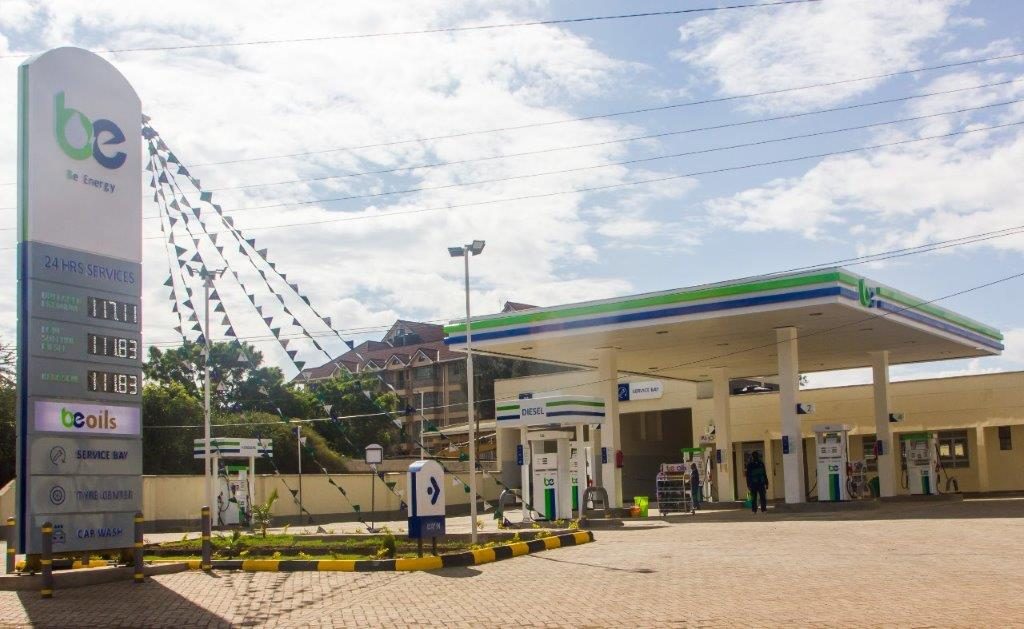
Be Energy has emerged as one of the most influential oil marketing companies in Kenya, playing a significant role in the country’s fuel distribution network. With a strong market presence and strategic partnerships, the company has grown into a key player in East Africa’s energy sector.
According to industry data, Be Energy controls approximately 3.5% of Kenya’s oil market share, positioning it among the leading oil marketers in the country. This growth reflects not only its expansion strategy but also its ability to adapt to a competitive and highly regulated industry.
Background of the Oil Industry in Kenya
The oil marketing sector in Kenya dates back to the early 1900s during the colonial period, when global companies such as Royal Dutch Shell established early infrastructure in Mombasa. Over the decades, the industry has expanded significantly, with more than 70 registered oil marketing companies now operating across the country and managing over 1,800 fuel stations.
This competitive environment has pushed companies like Be Energy to innovate, expand, and strengthen their operational efficiency in order to survive and grow.
Founding and Entry into Kenya
Be Energy traces its roots to 1973, when it was founded by Sheikh Abdul Kader Al Bakri under the name Bakri International Energy. The company is part of a larger multinational oil marketing group with operations in several regions.
Its entry into the Kenyan market came much later, on February 24, 2004, when it was initially registered as Bakri Energy. As part of its rebranding and expansion strategy, the company later adopted the name Be Energy.
The expansion into Kenya was driven by a clear vision—to become a leading supplier of oil and gas products in the region. This ambition aligned with the growing demand for fuel and energy solutions across East Africa.
Expansion and Growth Strategy
Be Energy’s growth has been shaped by a strategic expansion model focused on regional distribution and partnerships. Over time, the company has established a strong footprint in Kenya, with storage facilities in key cities including Mombasa, Nairobi, Kisumu, Eldoret, and Nakuru.
One of its key strengths is its involvement in aviation fuel supply. The company operates a fuelling facility at Jomo Kenyatta International Airport (JKIA), enabling it to serve major airlines such as Kenya Airways, Air France, KLM, EgyptAir, and Saudi Airlines.
Beyond Kenya, Be Energy has expanded its reach into neighboring countries, exporting petroleum products such as jet fuel, diesel, kerosene, and lubricants to markets including South Sudan, Uganda, Rwanda, Burundi, and the Democratic Republic of Congo.
Additionally, the company distributes Q8 lubricants from the Kuwait Petroleum Corporation, further strengthening its product portfolio and regional influence.
Shareholding Structure of Be Energy
Ownership of Be Energy is split between two major stakeholders, reflecting a blend of international and local investment.
The Bakri family, through International Energy World S.A., holds the majority stake in the company with 5,201 shares, representing 65% ownership.
The remaining 35% stake (2,801 shares) is owned by the family of Raila Odinga, one of Kenya’s most prominent political figures.
The Odinga family’s stake is held through Pan African Petroleum Company, which includes several family members as shareholders and directors. Notably, Raila Odinga Jr serves as a director within the company.
This ownership structure highlights a strategic partnership between international investors and local stakeholders, contributing to the company’s stability and growth.
Role in Kenya’s Fuel Market
Be Energy has positioned itself as a key player in Kenya’s fuel supply chain. Its operations cover:
- Retail fuel distribution
- Aviation fuel supply
- Bulk fuel storage
- Regional exports
The company’s ability to operate across multiple segments of the oil market has enabled it to maintain competitiveness despite increasing regulation and price controls in the sector.
It has also participated in Kenya’s open tender system for fuel importation, although recent government-to-government fuel agreements have reshaped how oil is sourced and distributed in the country.
Competition in the Oil Sector
Kenya’s oil marketing industry is highly competitive, with several major players dominating the market.
Companies such as TotalEnergies, Vivo Energy (Shell), and Rubis Energy are among the leading competitors. These firms benefit from global backing, extensive infrastructure, and strong brand recognition.
Despite this competition, Be Energy has managed to carve out a significant niche by focusing on efficiency, regional expansion, and strategic partnerships.
Challenges and Industry Dynamics
Operating in the oil sector comes with several challenges, including:
- Fluctuating global oil prices
- Government regulations and pricing controls
- Supply chain disruptions
- Increased competition
To remain competitive, companies must continuously adapt to these changes while maintaining operational efficiency and customer trust.
Be Energy’s survival and growth in this environment demonstrate its ability to navigate these complexities effectively.
Conclusion
Be Energy stands out as a major force in Kenya’s oil marketing sector, backed by a strong ownership structure and a clear growth strategy. With 65% ownership by the Bakri family and 35% by the Odinga family, the company represents a unique blend of international investment and local influence.
Its expansion across Kenya and the wider East African region, combined with its involvement in aviation fuel supply and petroleum exports, underscores its importance in the energy landscape.
As the industry continues to evolve, Be Energy’s ability to adapt and innovate will determine its future position in one of Kenya’s most critical economic sectors.