
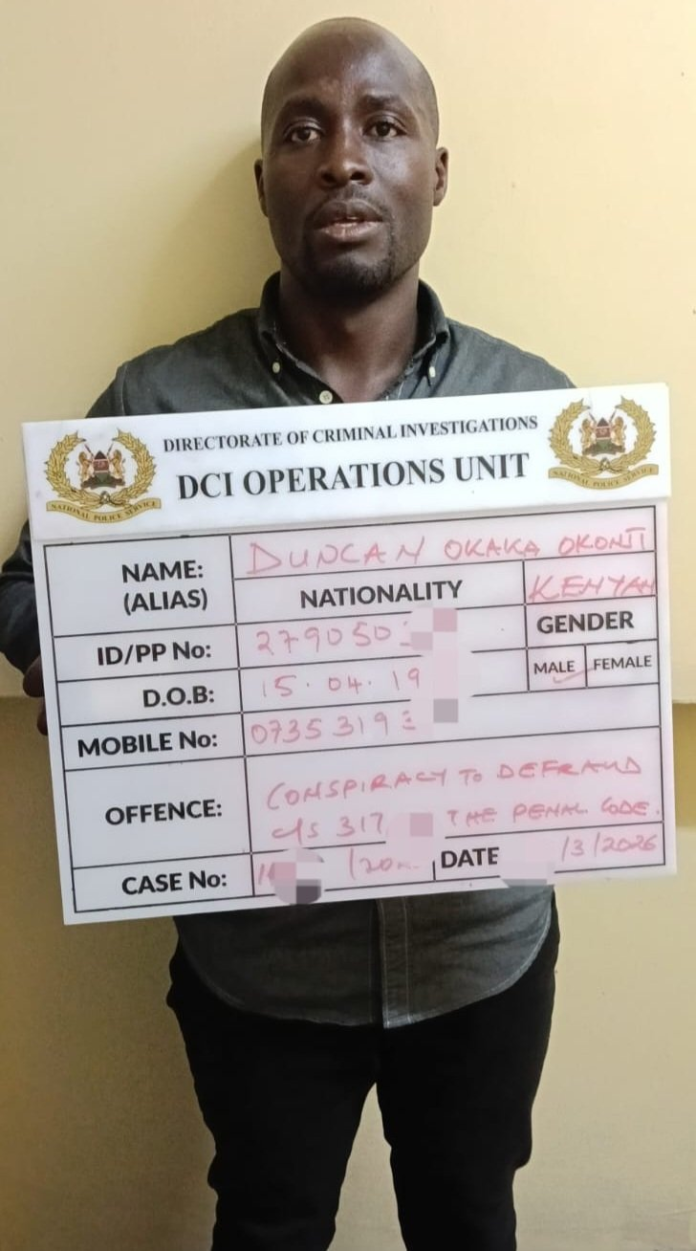
A sophisticated cross-border gold scam has come to light in Nairobi after an Australian investor, identified as Gaballa, revealed how he was conned out of Ksh. 77 million in a carefully orchestrated scheme that stretched beyond Kenya into neighbouring Tanzania.
According to his account, the deal initially appeared legitimate, with the suspects presenting themselves as credible gold dealers capable of facilitating a high-value transaction.
Gaballa explained that the operation was structured to build trust over time, with multiple meetings, assurances, and logistical arrangements designed to convince him that he was engaging in a genuine business deal.
At one point, the scammers allegedly escalated the illusion by transporting him to Tanzania, where they claimed the final stages of the transaction would be completed.
It was during this phase that the deal was “sealed,” further reinforcing his belief that the transaction was authentic and secure.
However, it later emerged that the entire operation had been a well-coordinated scam, with no legitimate gold backing the transaction.
The victim has since identified one of the alleged masterminds as Duncan Okonji, a name now central to ongoing investigations into the fraudulent scheme.
Authorities believe the scam may involve a wider network of individuals operating across borders, a common pattern in gold fraud cases where syndicates exploit regional movement to evade detection.
Gold scams have increasingly become a major concern in Kenya, particularly in Nairobi, where fraudsters target foreign investors with promises of lucrative deals involving precious metals.
These schemes often rely on elaborate staging, including fake documentation, staged offices, counterfeit gold samples, and even international travel to create an illusion of legitimacy.
Victims are typically persuaded to release large sums of money upfront, often under the pretext of securing licenses, transportation, or export clearances.
In many cases, once the money is transferred, the suspects disappear or cut off communication entirely, leaving victims with little recourse.
The involvement of multiple locations—including Tanzania in this case—adds another layer of complexity, making investigations more difficult and requiring coordination between law enforcement agencies across countries.
Ksh.77M gold scam
Australian conned Ksh.77M by gold scammers in Nairobi
Gaballa: They took me to Tanzania where we sealed the dealGaballa identified one of the scammers as Duncan Okonji#CitizenTonight pic.twitter.com/Ard6CZRLzi
— Citizen TV Kenya (@citizentvkenya) April 9, 2026
For Gaballa, the loss represents not just a financial blow but also a stark reminder of the risks associated with unverified investment deals in high-value commodities.
The case has once again highlighted the urgent need for stricter oversight in the gold trade, as well as increased awareness among investors about the tactics used by fraudsters.
Authorities are expected to pursue the suspects and dismantle any networks connected to the scheme, with Duncan Okonji now a key figure of interest.
As investigations continue, the case serves as a warning to both local and international investors: in the world of high-stakes gold trading, not everything that glitters is real.