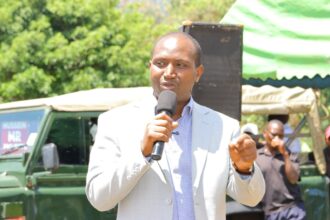
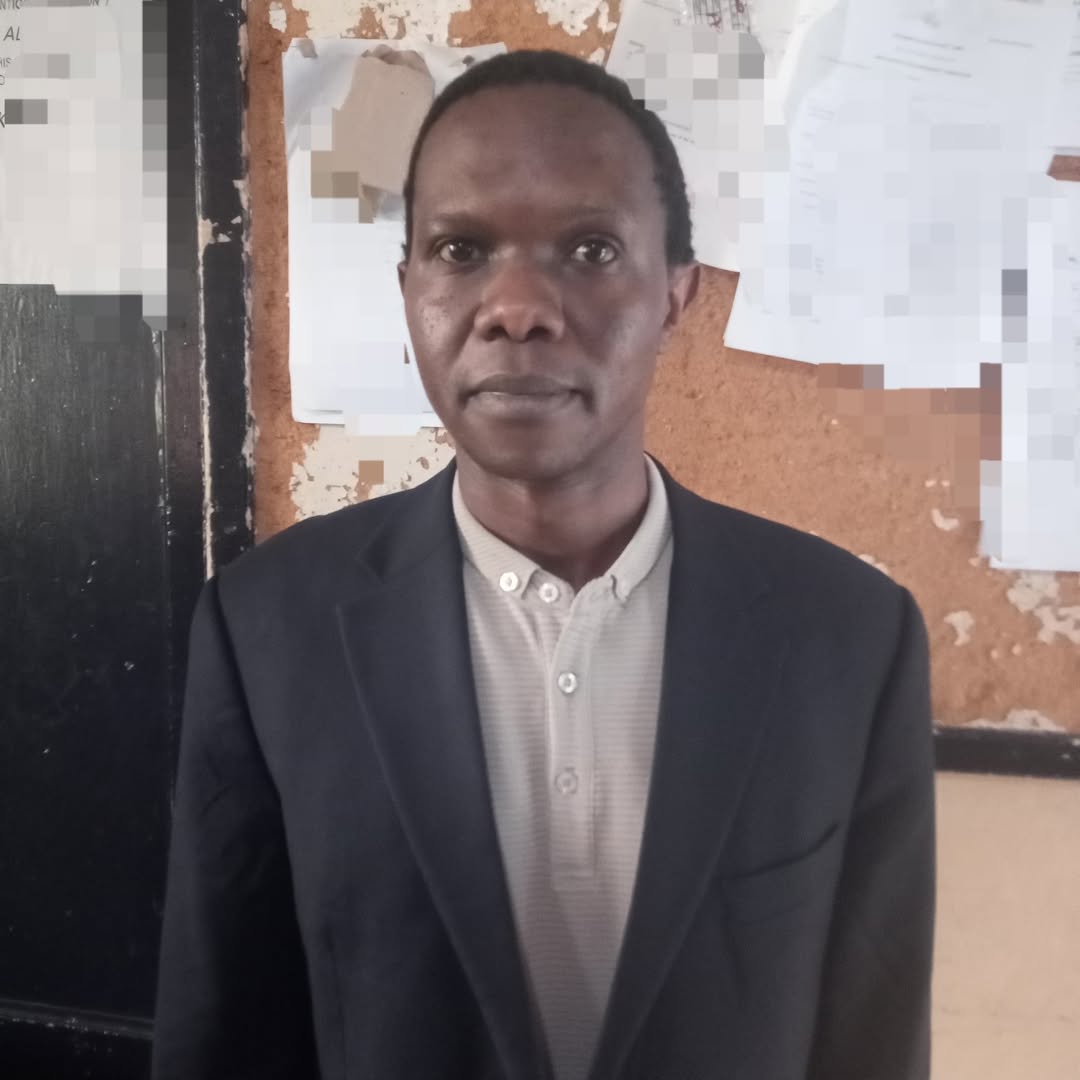
A man suspected of orchestrating a long-running forgery scheme has been arrested at Jomo Kenyatta International Airport (JKIA), in a case that is raising fresh concerns about academic credential fraud within Kenya’s public institutions.
The suspect, identified as Victor Ochieng Odhiambo, was intercepted by immigration officers shortly after arriving in Kenya from South Korea aboard an Etihad Airways flight. Authorities acted on a prior stop order issued by immigration officials, leading to his immediate arrest upon arrival.
According to investigators from the Directorate of Criminal Investigations (DCI), Odhiambo is wanted in connection with alleged offences of forgery and uttering false documents under provisions of the Penal Code. The charges relate to claims that he forged an academic certificate and used it to secure employment in a senior position.
Detectives allege that the suspect presented a Bachelor of Engineering in Electrical and Electronics degree certificate, purportedly issued in December 2008, to obtain a role as a Senior ICT Officer at the Kenya Pipeline Company. Authorities believe the document was falsified and used to gain unlawful employment in a position requiring high technical qualifications and integrity.
Following his arrest, Odhiambo was held at Muthaiga Police Station before being arraigned at the Milimani Law Courts, where he pleaded not guilty to the charges. The court granted him release on a cash bail of KSh 300,000, with an alternative bond of KSh 500,000 or a surety of a similar amount. The case is scheduled for mention on April 2, 2026 for pretrial directions.
The case adds to a growing number of incidents involving forged academic credentials in Kenya. In recent years, several individuals in both public and private sectors have faced investigations over alleged use of fake degrees to secure employment or promotions.
Agencies such as the Ethics and Anti-Corruption Commission (EACC) have previously conducted audits targeting academic qualifications of public officers, leading to the dismissal and prosecution of individuals found to have falsified credentials.
In another related trend, authorities have increasingly relied on inter-agency collaboration between immigration, the DCI and public institutions to track down suspects attempting to evade arrest by traveling abroad.
Experts say the Odhiambo case highlights persistent gaps in credential verification systems, particularly in critical sectors where technical expertise is essential. They warn that forged qualifications not only undermine merit-based hiring but can also pose serious risks in sectors requiring specialized knowledge.
The Directorate of Criminal Investigations has reiterated its commitment to pursuing individuals involved in fraud and safeguarding the integrity of public institutions.
As the case proceeds through the courts, it is expected to further spotlight the need for stricter verification processes and accountability mechanisms in both public and private sector recruitment.
The case has also renewed calls for stricter enforcement of verification procedures by institutions such as the Kenya National Qualifications Authority (KNQA), which is mandated to oversee and validate academic and professional qualifications in the country. Experts argue that closer collaboration between employers, universities and regulatory bodies could help detect forged documents earlier and prevent such cases from persisting for years.
In addition, human resource professionals have emphasized the need for continuous background checks, even after hiring, particularly for positions that involve access to sensitive systems or public resources. In the Odhiambo case, questions are already being raised about how the alleged forged credentials may have gone undetected for an extended period while the suspect held a senior role.
Legal analysts note that if convicted, offences related to forgery and uttering false documents under the Penal Code carry significant penalties, including fines and possible imprisonment. The outcome of the case could therefore set an important precedent for similar prosecutions.
Meanwhile, investigators are expected to widen the probe to determine whether the suspect acted alone or with the assistance of other individuals, including possible links to document forgery networks that have been operating both locally and internationally.