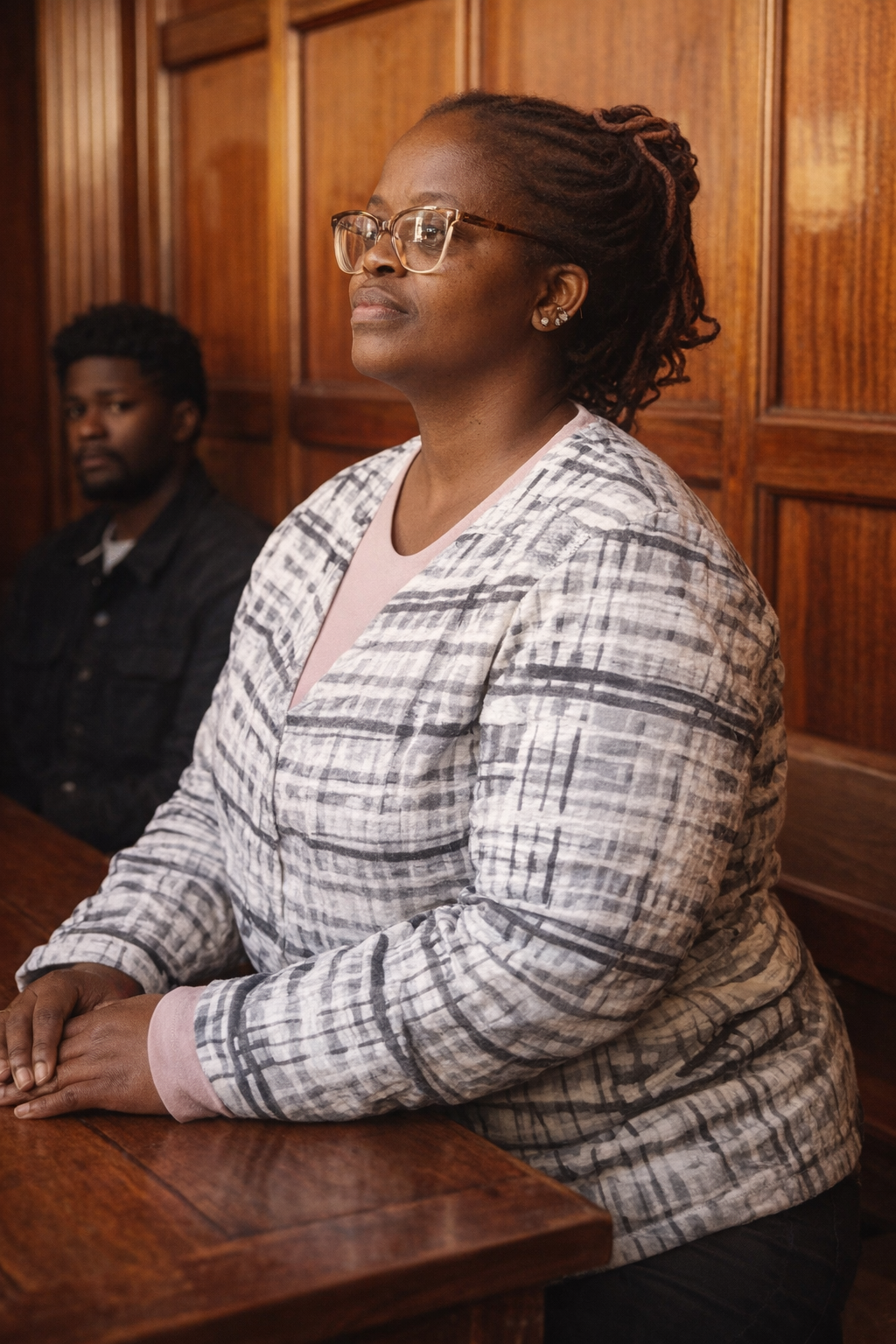
In the quiet of a Nairobi hospital on March 1, 2025, a patient walked in seeking help, expecting care and attention. What followed would later shake public confidence in Kenya’s healthcare system. Dr. Jane Njeri Kamau, a practicing doctor, administered medication without performing a proper diagnosis.
The patient suffered harm, and further investigation revealed that some of the drugs involved were unregistered, violating Kenya’s Pharmacy and Poisons Board regulations.
What might have been a private medical mistake quickly became a public legal battle, highlighting deeper systemic issues. By late 2025, the matter escalated to the courts. The Milimani Senior Principal Magistrate, Theresa Nyangena, issued a warrant for Dr. Kamau’s arrest after she failed to appear in court to answer charges of negligence and causing harm.
But when the case reached the High Court, Justice M. Muya intervened, issuing conservatory orders temporarily halting the prosecution.
These orders restrain the Director of Public Prosecutions, the Inspector General of Police, and the Directorate of Criminal Investigations from arresting, charging, or prosecuting her until the matter is fully addressed.
Through her legal team, led by senior counsel John Khaminwa, Dr. Kamau argues that the prosecution violates her constitutional rights to fair trial and administrative action, claiming flaws in the investigative process. The case is now scheduled for mention on March 17, 2026, awaiting further directions.
But this story is more than a single court case. Dr. Kamau’s situation echoes a troubling pattern in Kenya’s healthcare sector. Over the years, cases of misdiagnosis, negligent treatment, and the use of unregistered drugs have repeatedly surfaced, showing cracks in the system designed to protect patients.
Hospitals across the country have recorded instances where rushed diagnoses or unverified prescriptions caused severe harm, delayed correct treatment, and even death. These are not isolated lapses—they point to a system under strain.
The danger lies in how quickly one negligent act can become a ticking time bomb. When doctors administer medication without a proper diagnosis, every patient encounter carries risk. When unregistered drugs are introduced, the consequences multiply.
And when legal delays stall accountability, public trust erodes. Patients begin to fear hospitals as much as they rely on them. A single unresolved case like Dr. Kamau’s could embolden negligence elsewhere, creating a culture of impunity.
In the end, the case of Dr. Jane Njeri Kamau is a warning. It underscores the urgent need for stricter oversight, faster legal processes, and rigorous professional standards in Kenya’s healthcare system.
Lives hang in the balance, and the clock is ticking. The public watches closely, knowing that the lessons of this trial extend far beyond one doctor or one patient—they are lessons for a nation struggling to protect its most vulnerable.