
Online discussions in Kenya have intensified following renewed claims about the alleged dumping of nuclear or carcinogenic waste in Meru County during the 1980s. The debate, largely driven by social media users, has sparked concern, speculation, and calls for accountability over historical environmental practices and their possible long-term health effects.
At the center of these discussions are allegations that hazardous waste may have been disposed of during oil prospecting activities in the 1980s, a period associated with the administration of former President Daniel arap Moi. Some users have also mentioned the late Nicholas Biwott in connection with these claims, though no verified public findings have conclusively established responsibility.
And now they want to bring the nuclear energy to Siaya without an outlined waste management, Si watatumaliza wote 😭
— OCTOPIZZO (@OCTOPIZZO) March 30, 2026
Much of the conversation revolves around concerns that improper disposal of hazardous materials may have contaminated soil and water sources in parts of Meru. Social media users have pointed to anecdotal reports of increased cases of cancers—particularly stomach and esophageal cancers—as a possible consequence of long-term environmental exposure.
However, it is important to note that these claims remain largely unverified in official records. While cancer cases in Kenya have been rising over the years, experts often attribute this trend to a combination of factors, including improved diagnosis, lifestyle changes, environmental exposures, and population growth. Establishing a direct link between historical waste dumping and specific cancer clusters would require comprehensive scientific and epidemiological studies.
The issue of agricultural chemicals has also been raised in these discussions. Some users argue that prolonged use of certain pesticides and fertilizers, combined with possible environmental contamination, could contribute to health risks. This highlights a broader concern about environmental safety and regulatory oversight, particularly in rural and agricultural regions.
Another key theme emerging from the online debate is accountability. With both Daniel arap Moi and Nicholas Biwott now deceased, some users question whether the full truth about historical environmental practices may ever come to light. This has fueled frustration among those calling for transparency and official investigations.
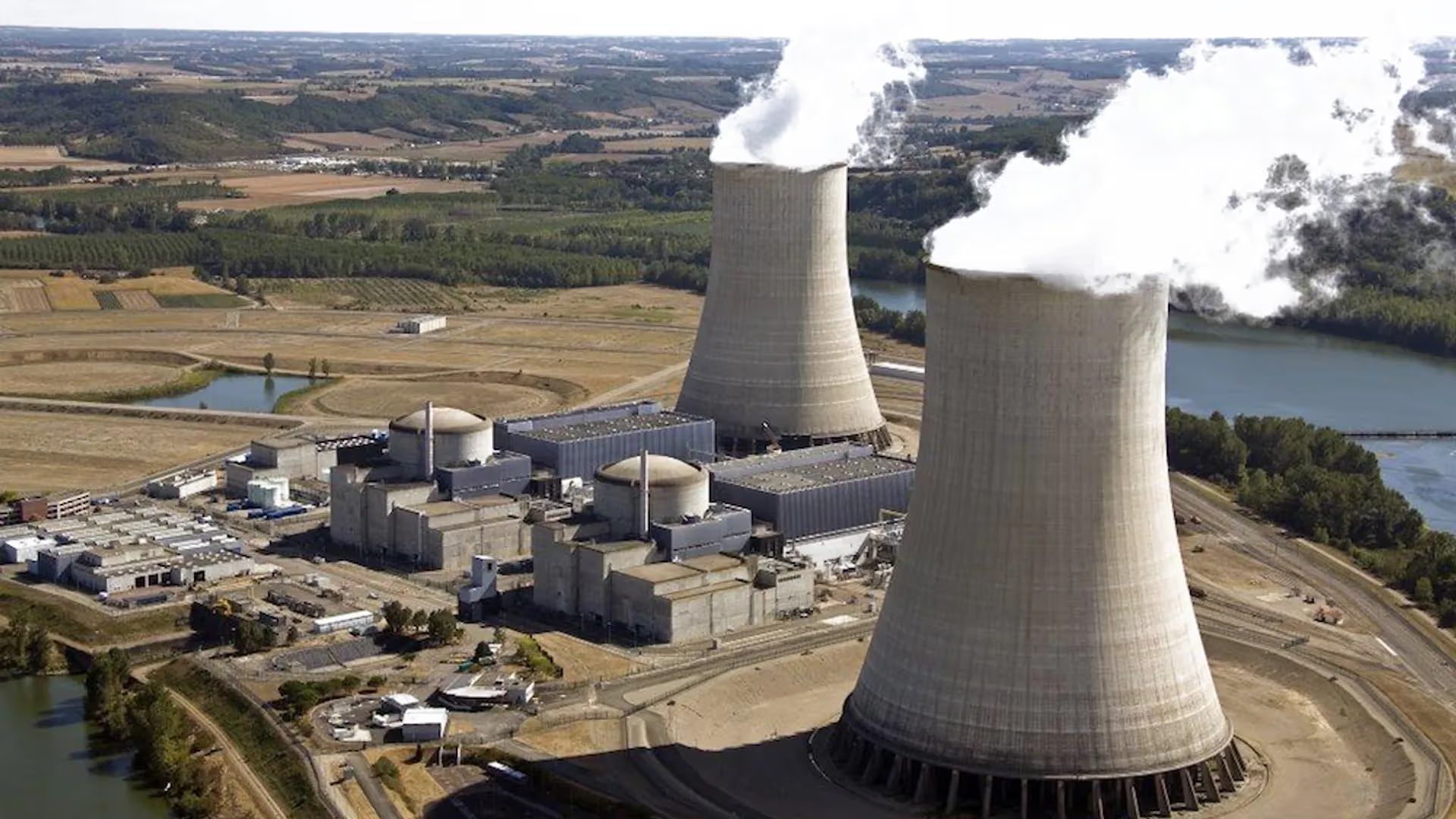
The discussion has also extended to current policy debates, particularly around proposed nuclear energy projects in Kenya. Concerns about past waste management practices are being cited by critics as reasons to approach new nuclear initiatives with caution. Areas such as Siaya have been mentioned in these debates, with residents and activists emphasizing the need for strict safety measures, transparency, and public participation.
Environmental experts often stress that modern nuclear energy projects operate under significantly stricter international safety standards compared to practices from decades ago. Nonetheless, public trust remains a critical factor, and historical concerns—whether verified or not—can influence perceptions and acceptance of such projects.
The ongoing social media discourse reflects a broader pattern in which historical grievances and present-day policy concerns intersect. It underscores the growing role of digital platforms in shaping public conversation around governance, health, and environmental accountability.
As the conversation continues, there have been increasing calls for evidence-based investigations. Many observers argue that independent scientific studies, transparent government communication, and community engagement are essential to address both the claims and the concerns they raise.
Ultimately, while social media has amplified these allegations, the need for verified data and responsible dialogue remains crucial. The situation highlights the importance of balancing public concern with factual accuracy, ensuring that discussions around health and environmental risks are grounded in credible evidence.
The debate over alleged waste dumping in Meru County serves as a reminder of the long-term impact environmental decisions can have—and the importance of accountability, transparency, and scientific inquiry in addressing both past and present challenges.