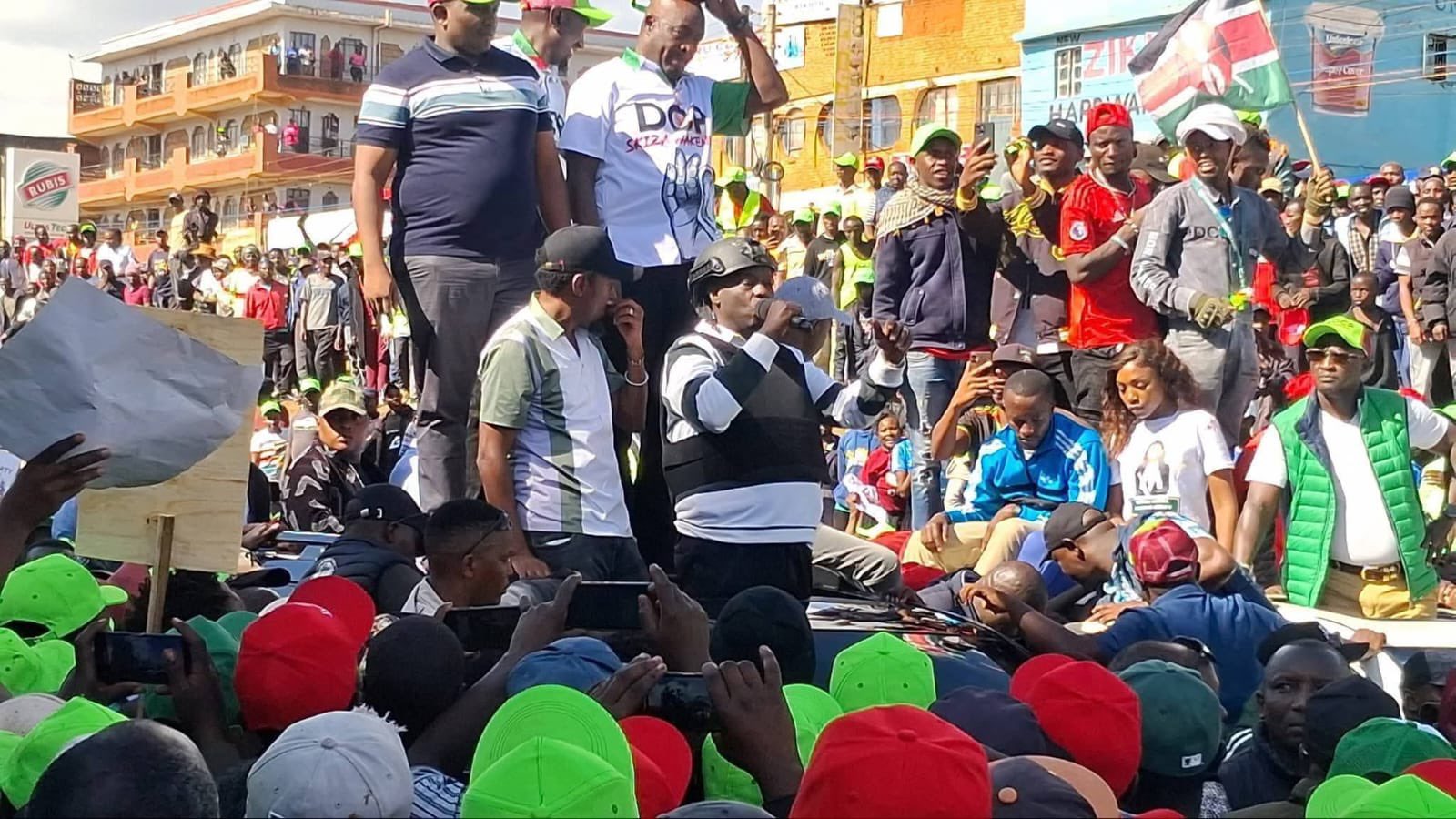
Kiprotich Arap Cherargei has launched a fierce attack on Rigathi Gachagua following the chaotic events in Kikuyu, Kiambu County, calling for his immediate arrest and prosecution over alleged violence and lawlessness.
In a strongly worded statement, Cherargei accused Gachagua of orchestrating unrest during what he described as a “botched rally,” alleging that the meeting was marked by violence, intimidation, and destruction of property.
He went further to label the former deputy president a “modern political conman,” claiming that his political approach thrives on division, brinkmanship, and instability.
The senator also expressed concern for residents who were reportedly injured and businesses that were allegedly looted during the chaos, calling for those responsible for organizing the rally to compensate victims.
According to Cherargei, the events in Kikuyu reflect a breakdown of law and order that should have been prevented by security agencies.
He criticised the police for what he suggested was a failure to maintain control, while simultaneously urging them to take swift action against those involved.
In his demands, Cherargei called on the National Police Service and the Directorate of Criminal Investigations to immediately arrest and prosecute Gachagua alongside individuals he described as “goons” allegedly linked to the incident.
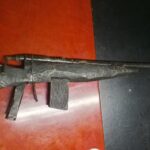
The senator also raised serious questions about the alleged use of restricted equipment, including police helmets, military fatigues, weapons, signal jammers, and bulletproof vests.
He questioned how such items could have been accessed, suggesting that their presence points to a more organised and potentially dangerous operation.
Cherargei further called out the National Cohesion and Integration Commission, accusing it of inaction at a time when political tensions are rising, and the country is heading toward the 2027 elections.
He warned that failure to address such incidents could set a dangerous precedent and risk escalating into wider political violence.
The remarks add to an already escalating political standoff, with sharply opposing narratives emerging around the events in Kikuyu.
While Gachagua has previously alleged that criminal groups were used to disrupt his meeting, Cherargei’s statement shifts blame directly onto the former deputy president and his supporters.
These conflicting accounts highlight the deepening divisions within Kenya’s political landscape, where incidents on the ground are quickly becoming subjects of competing interpretations and political messaging.
As of now, authorities have not issued a comprehensive report confirming the full sequence of events, the extent of damage, or the individuals responsible.
This leaves the situation fluid, with investigations expected to determine the facts and establish accountability.
The unfolding developments are likely to keep political temperatures high, especially as leaders position themselves ahead of the next electoral cycle.
At the center of it all remains a critical question—whether the rule of law will prevail amid rising rhetoric and competing political interests.