
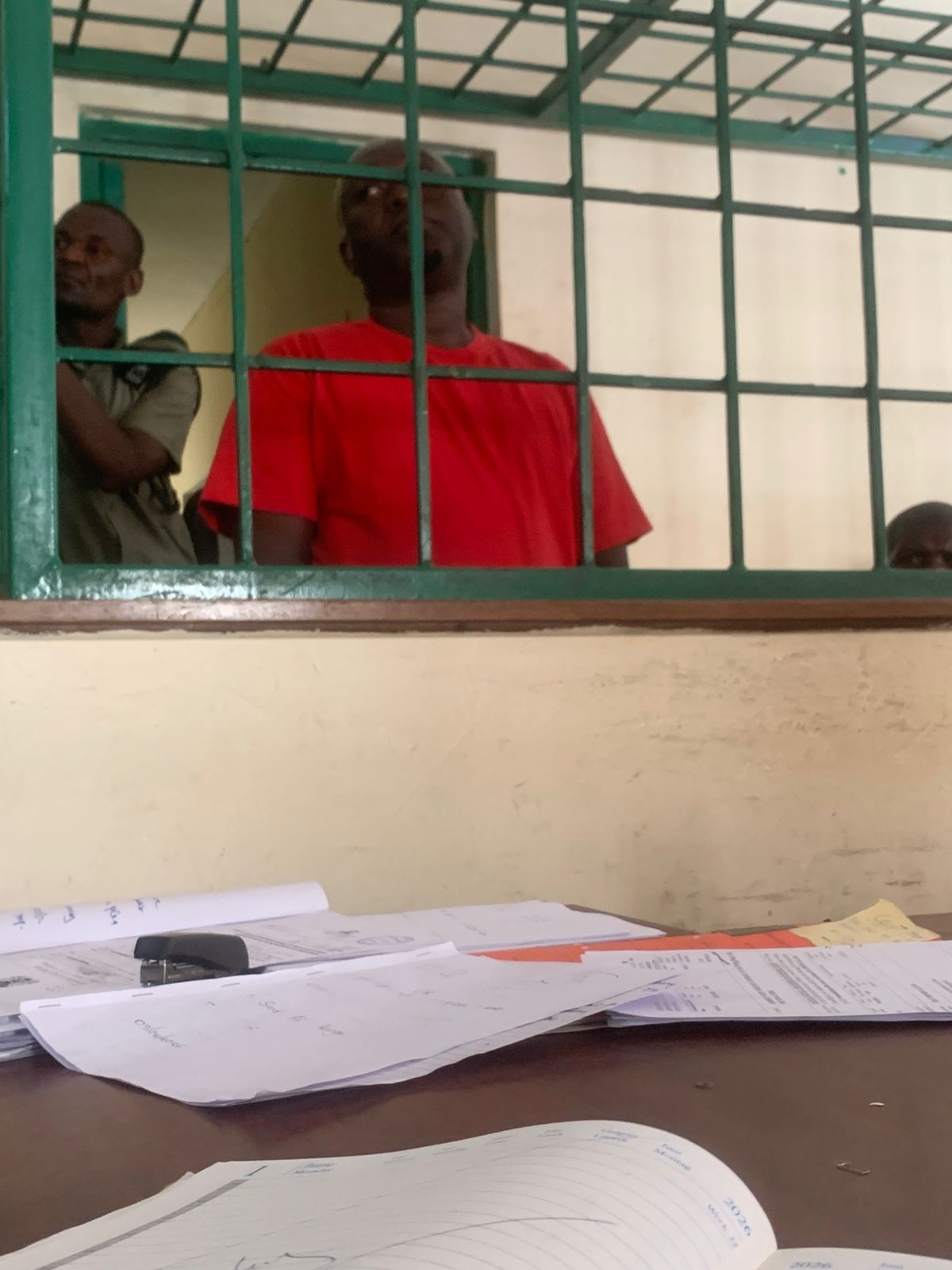
A high-profile legal case has emerged in Mombasa after the Office of the Director of Public Prosecutions formally charged Tanzanian musician Matonya with a serious sexual offence.
The 43-year-old artist, whose real name is Sefu Shabani Ramadhan, appeared before Chief Magistrate Robinson Ondiek at the Shanzu Law Courts, where he faced one count of rape under Section 3(1) as read with Section 3(3) of the Sexual Offences Act No. 3 of 2006.
During the court session, the musician denied the charge, setting the stage for a full trial that is likely to attract significant public attention given his regional profile.
According to the prosecution, the alleged incident took place on April 7, 2026, at an apartment located in Nyali Sub-County within Mombasa County.
The court was informed that the accused is alleged to have unlawfully committed the act against an adult woman, though further details of the case are expected to emerge as proceedings continue.
Principal Prosecution Counsel Keya Ombele urged the court to impose strict bond conditions, emphasizing that the accused is a foreign national with no fixed residence in Kenya.
The prosecution argued that without stringent measures, there would be a risk of the accused leaving the country and evading trial.
In response, the court granted Matonya bond set at Ksh 500,000, with the requirement of one Kenyan surety to guarantee his compliance with court orders.
In addition to the bond terms, the court directed the accused to surrender his Tanzanian passport, effectively restricting his ability to travel outside Kenya during the trial period.
Further tightening the conditions, immigration authorities were instructed to place an alert at all border points to ensure that the accused does not exit the country without prior court approval.
These measures reflect the court’s effort to balance the rights of the accused with the need to ensure that justice is served and that the trial proceeds without disruption.
The case highlights the increasing scrutiny surrounding cross-border legal matters particularly when foreign nationals are involved in serious criminal allegations within Kenya.
It also underscores the role of the Office of the Director of Public Prosecutions in pursuing cases of sexual offences, which remain a critical area of focus within the country’s justice system.
As the matter moves forward, both the prosecution and defence are expected to present their evidence, with the court ultimately determining the outcome based on the facts established during trial.
For now, the accused remains out on bond under strict conditions, while the case proceeds through the judicial process.